
A dozen experts, dozens of myths debunked, and thousands of participants—the project “Ask and you shall receive—science will provide the answers” has come to an end!
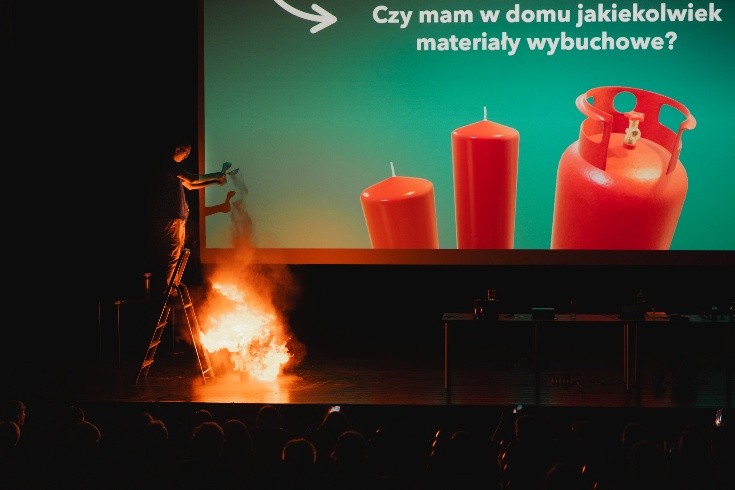
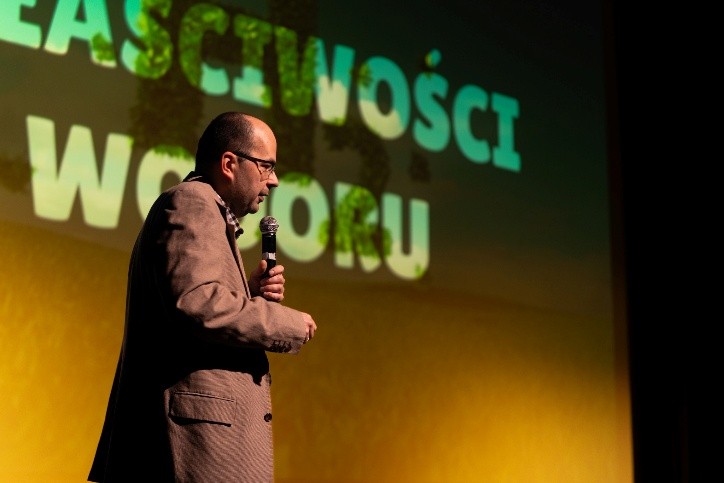
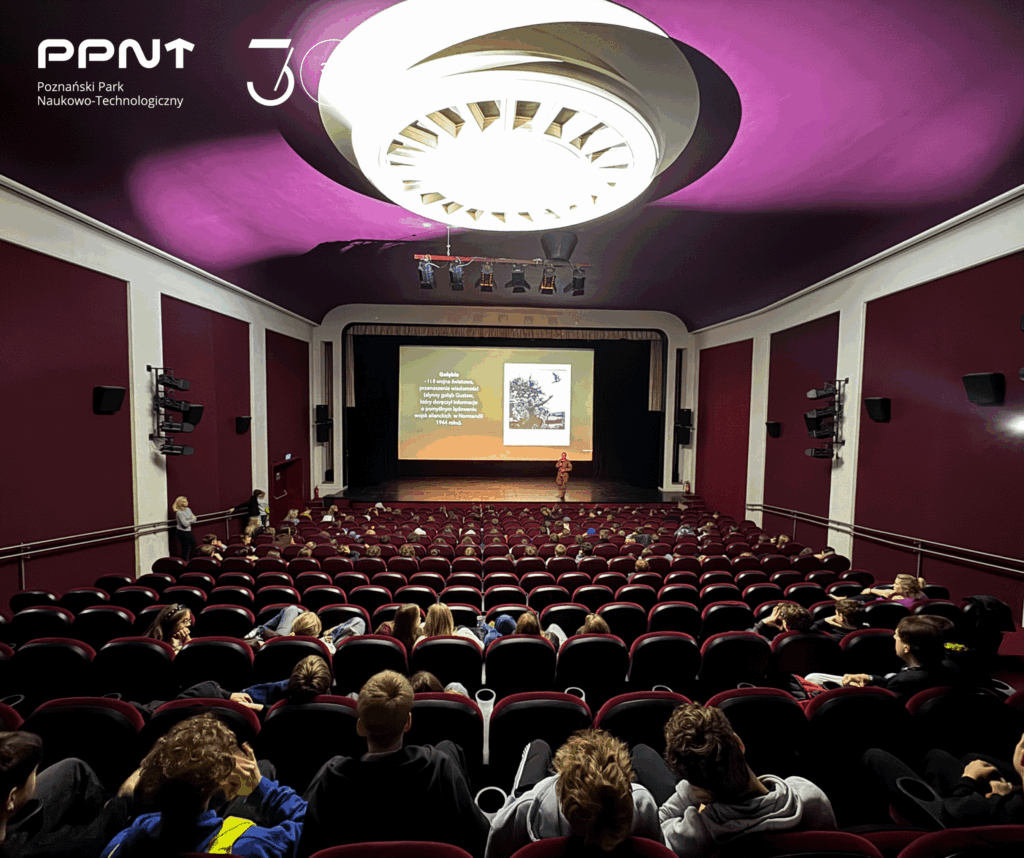
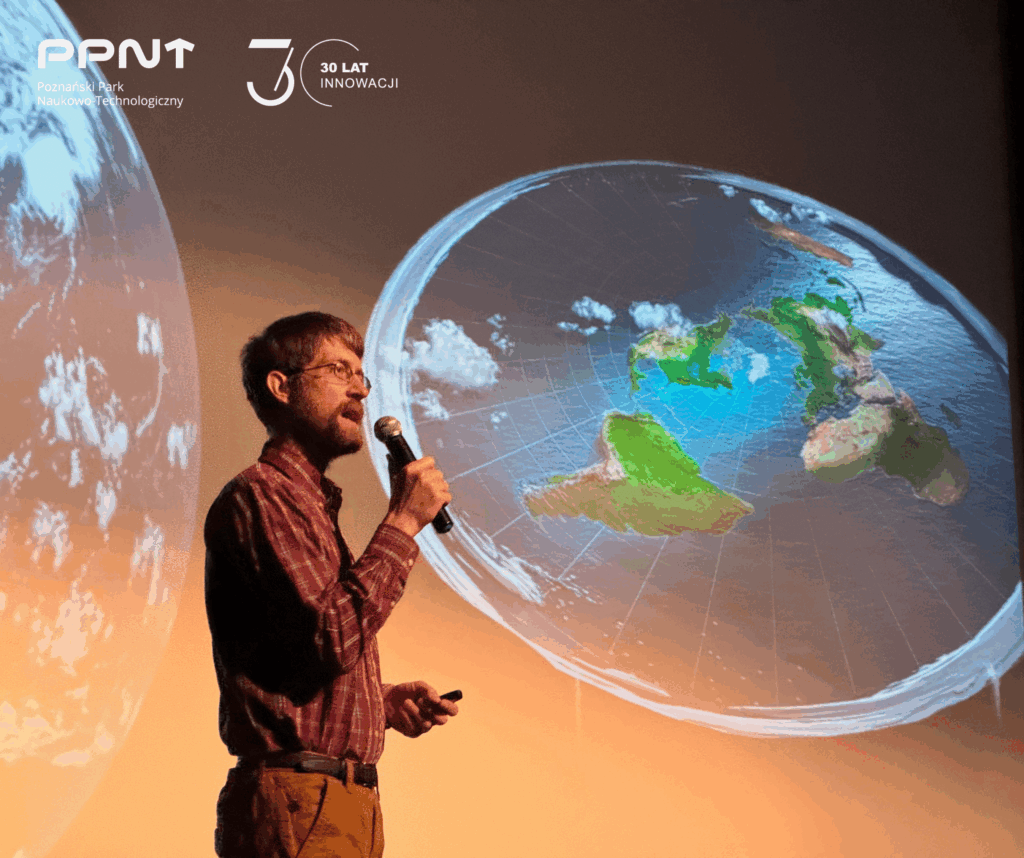
As part of the initiative, we organized free meetings with experts from various fields at the Apollo 24 Cinema, ranging from artificial intelligence and environmental protection to astronomy and medicine. However, these meetings were not just ordinary lectures—participants asked questions and engaged in discussions with experts, and some of the presentations were enriched with spectacular shows.
What were some of the questions asked by participants?
Is nuclear energy dangerous and should it be abandoned?
Fear of nuclear energy stems mainly from the Chernobyl disaster – but it should be remembered that this event was the result of technological flaws and operator errors. Modern nuclear energy is completely safe and does not emit pollution to the same extent as other energy sources.
Can vaccines cause autism?
Nie istnieje żaden potwierdzony związek szczepień z autyzmem. Informacje o rtęci lub aluminium w szczepionkach są często uproszczone, lub wyjęte z kontekstu. Pomija się również rolę i dawkę substancji pomocniczych.
Are all over-the-counter medications safe?
Inappropriate dosages and undesirable interactions mean that any medication—even those available without a prescription—can be dangerous. Therefore, every preparation should be used according to the instructions.
Is artificial intelligence impartial?
Artificial intelligence itself does not take sides—it does not have its own opinions. However, it feeds on data from people who may already favor certain options and thus convey their opinions to artificial intelligence.
Will recycling plastic solve the problem of growing waste volumes?
Unfortunately, however, many products are a mixture of different materials, which significantly hinders or completely prevents the recycling process. In addition, plastic can be recycled several times, but we cannot do so indefinitely.
Photovoltaic panels also produce energy when it is cloudy, but with less power. Energy is produced throughout the day, albeit with varying intensity.
Can AI take over the world?
Currently, artificial intelligence is not an entity with intentions – the risks associated with AI are more similar to human errors and the manner of implementation. The greater threat lies in the misuse of artificial intelligence, manipulation, abuse, lack of control, and unclear legal regulations.
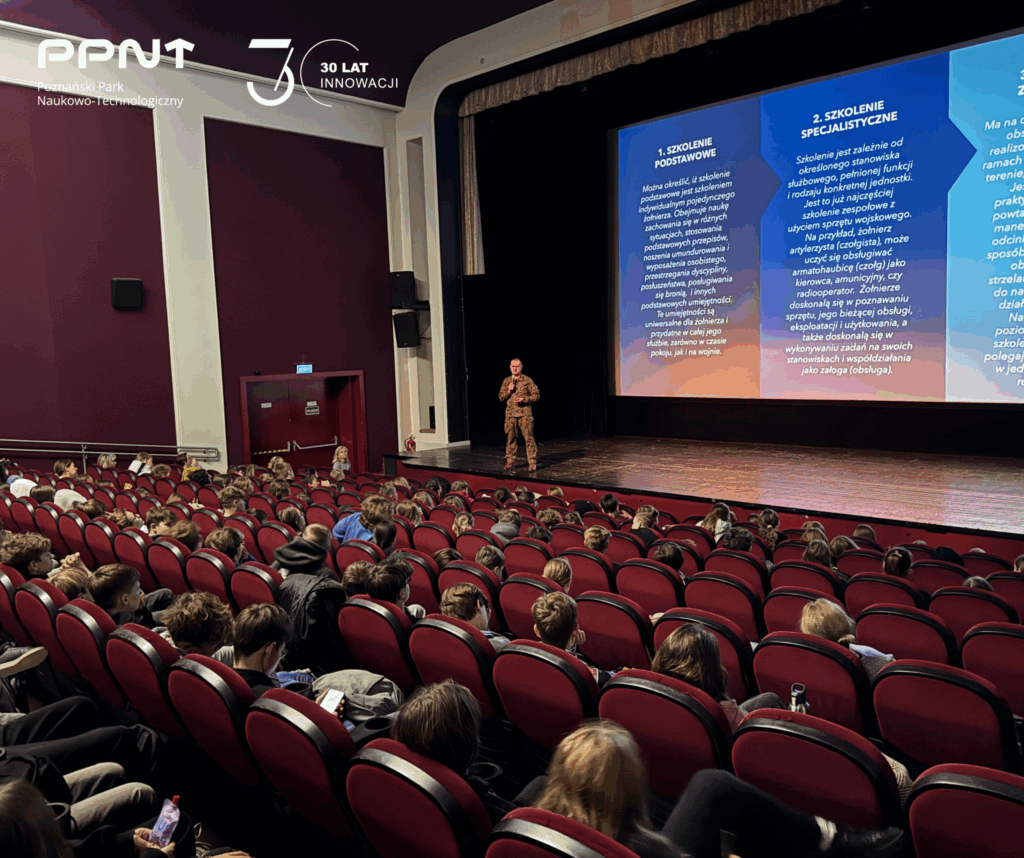
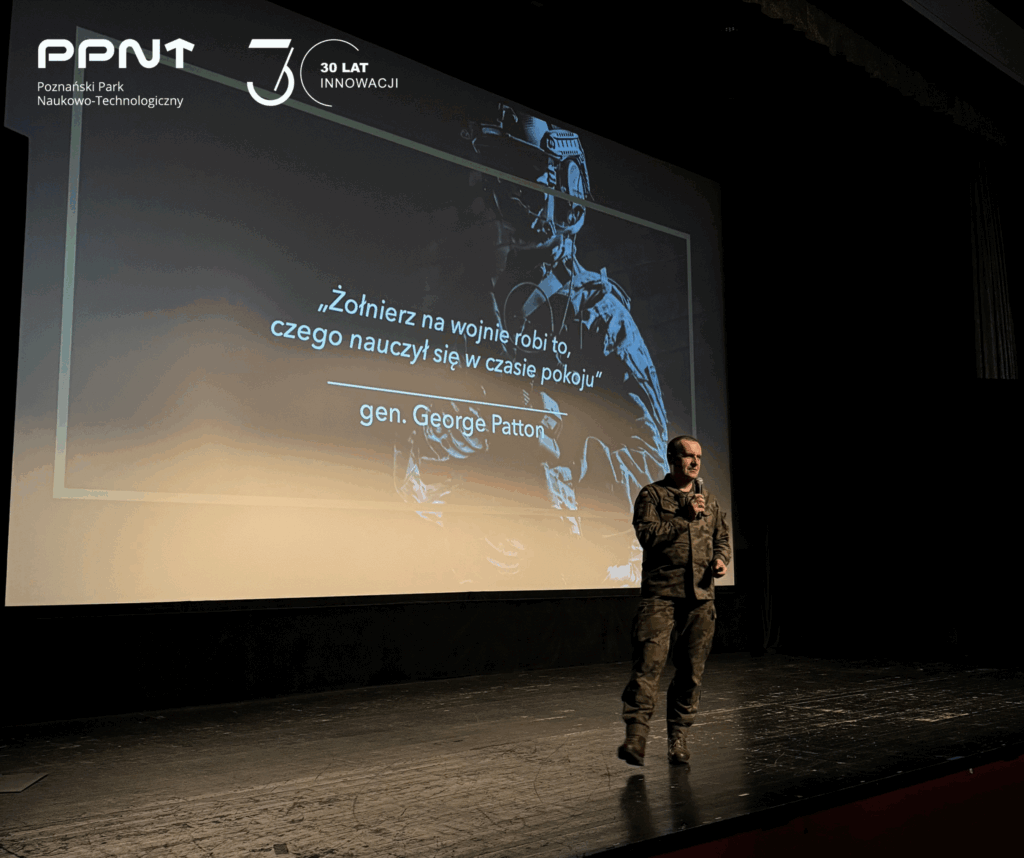
Can you learn to be a soldier by playing Call of Duty?
Although games help train reflexes, they cannot replace real military training. Virtual reality cannot teach procedures, teamwork in the field, discipline, working under pressure, or responsibility.
Are natural remedies safe and free from side effects?
Natural remedies, such as herbal supplements, can also be dangerous, for example, by interacting with medications. The use of certain natural remedies is also risky for people with liver or heart disease, as well as due to potential allergies.
Do antibiotics cure all infections?
Antibiotics cannot cure every infection—for example, antibiotics are not used to treat viruses. In addition, there is the problem of growing antibiotic resistance, which causes part of the population to become resistant to the antibiotics administered.
The events were attended by primary and secondary school students as well as entire families. Each meeting was filled with interesting questions from the audience, dispelling doubts and debunking popular scientific myths. We believe that every participant had the opportunity to leave enriched with a new experience.
If you were unable to attend the meetings with us, don’t worry – all recordings of the presentations are available as podcasts on Spotify and as transcripts:
We would like to thank everyone who decided to spend time with us debunking scientific myths—during these dozens of meetings, we managed to broaden our knowledge about the world around us and encourage joint discussion.
We would also like to extend our special thanks to the experts who supported us with their knowledge and helped us in our mission to popularize science:
Łukasz Waligórski – expert in the field of pharmacy,
Marta Pelczyńska, MD, PhD – nutrition expert,
Dr. Marta Szejnfeld – expert in urban planning,
Bartosz Naskręcki – expert in artificial intelligence,
Tomasz Zgoła, Mikołaj Basiński – experts in environmental protection,
Dr. Anna Waligóra – expert in social economics,
Dr. Karolina Appelt – expert in psychology,
Professor at Adam Mickiewicz University, PhD Błażej Gierczyk, prof. UAM Maciej Zalas – experts in the field of chemistry,
prof. PP dr hab. Eng. Bartosz Ceran – energy expert,
prof. PhD Andrzej Stelmach – expert in the field of politics,
Joanna Sawicka-Metkowska, MD (better known as Doctor Poziomka) – an expert in the field of medicine,
Professor at Adam Mickiewicz University, PhD Michał Michałowski – astronomy expert,
płk. dr Piotr Wachna – an expert in military technology.
Dofinansowano ze środków budżetu państwa w ramach programu Społeczna odpowiedzialność nauki II, moduł: Popularyzacja nauki.